Coyote Ridge Typeface Review: Editorial Design for the Frontier
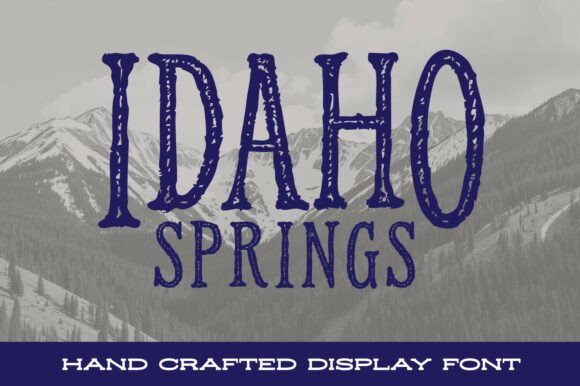
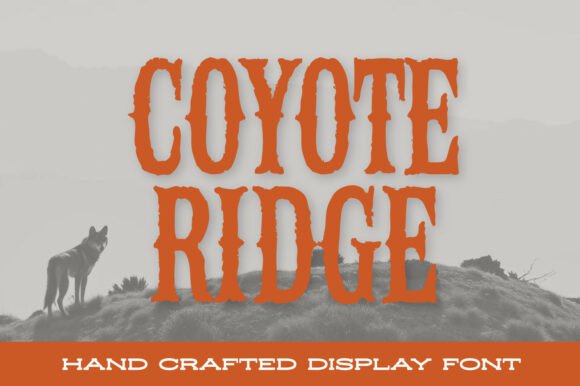
I was sitting at my desk late last Tuesday, staring at a blank InDesign canvas for a new lifestyle ebook titled Desert Roots. The project required a cover that felt rugged yet refined, something that could capture the essence of slow living in arid landscapes without looking like a cliché western movie poster. I needed a typeface that carried weight, texture, and a distinct narrative voice. That is when I pulled up Coyote Ridge, a wiry, weathered Old West font that howls with frontier spirit. It immediately stood out among the hundreds of display fonts available, offering exactly the kind of tall, lean aesthetic with distressed edges that I had been struggling to articulate.
This review explores how Coyote Ridge functions not just as a decorative element, but as a structural tool in editorial design. Whether you are building a digital magazine layout, designing a coaching workbook, or creating a newsletter graphic, understanding the rhythm and mood of this font is essential for maintaining publication identity and reader engagement.
Coyote Ridge for Magazine Covers and Ebook Titles
When evaluating Display Fonts for high-impact visual hierarchy, readability often takes a backseat to personality, but Coyote Ridge strikes a rare balance. As a premium font designed for short-form impact, it excels in contexts where the text needs to command attention instantly. In my test layout for the Desert Roots ebook, I used Coyote Ridge for the main title. Its tall and lean proportions allowed me to stack the words vertically, creating a strong central column that anchored the entire page composition.
The distressed edges of the letters do not compromise legibility at large sizes; instead, they add a tactile quality that mimics the grit of desert towns and faded saloon signs. This visual texture supports the editorial mood by suggesting history and authenticity. For creators selling printable planners or course PDFs, using such a creative font for chapter openers or section headers can significantly elevate the perceived value of the product. It transforms a simple document into a branded experience, helping independent content brands establish a consistent and memorable look across their design assets.
Coyote Ridge in Newsletter Graphics and Social Media Headers
One of the most practical applications for this typeface is in digital communication channels where first impressions are fleeting. I recently tested Coyote Ridge in a series of social media graphics for a lifestyle blog redesign. The goal was to create a cohesive brand identity that felt approachable yet distinctive. Because the font captures the trail-worn posters of the past, it naturally draws the eye in a crowded feed.
For newsletter writers and bloggers, using Coyote Ridge for pull quotes or highlighted callouts can break up dense text and guide the reader’s attention. However, it is crucial to use it strategically. While the font has a strong presence, it is best suited for headlines, subtitles, and decorative accents rather than long-form reading. When paired correctly, it adds character to web design elements without overwhelming the user interface. For example, using it for a weekly update header sets a specific tone before the reader even engages with the body copy, effectively signaling the editorial voice of the publication.
Coyote Ridge for Printable Guides and Coaching Workbooks
In the realm of digital products, such as wedding guides or recipe ebooks, the font choice directly influences the user's emotional connection to the material. I applied Coyote Ridge to the covers and divider pages of a coaching workbook prototype. The wiry, weathered aesthetic aligned perfectly with themes of resilience and journey, which were central to the book’s content. The font’s ability to evoke a sense of place—desert towns and frontier spirit—helped ground the abstract concepts of the workbook in a tangible, visual reality.
For sellers of printables and digital downloads, leveraging a commercial font with such strong thematic appeal can be a competitive advantage. It allows creators to differentiate their offerings in a saturated market. When designing these materials, ensure that the font file formats support the necessary resolutions for both screen viewing and high-quality print exports. The versatility of Coyote Ridge makes it suitable for various mediums, from mobile-friendly PDFs to physical workbooks printed on textured paper, enhancing the overall sensory experience of the product.
Font Pairing and Readability Considerations
No display font exists in isolation, and successful editorial design relies heavily on effective font pairing. Because Coyote Ridge is highly expressive, it requires a stable, neutral companion to handle the bulk of the reading. In all my tests, I found that pairing it with a clean sans serif font for captions and navigation created a modern contrast that kept the layout fresh. For body copy, a traditional serif font provided the necessary readability and comfort for extended reading sessions.
It is important to note what Coyote Ridge is not suited for. Due to its distressed edges and irregular forms, it should never be used for small captions, dense paragraphs, or formal reports. Attempting to read lengthy passages in a font that mimics weathered wood or rusted metal causes visual fatigue and detracts from the content’s clarity. Instead, reserve Coyote Ridge for titles, subtitles, and key graphical elements. This strategic limitation ensures that the font’s unique character enhances the design rather than hindering the user experience.
Technical Specifications and Licensing for Publishers
Before integrating Coyote Ridge into any client publications or paid newsletters, it is vital to verify the technical specifications and licensing terms. Check for included styles, alternates, and ligatures that might offer additional typographic flexibility. Ensure the font supports multilingual characters if your audience is global, and confirm that the commercial license covers your specific use cases, whether that involves embedding in ebooks, templates, or digital downloads.
By treating Coyote Ridge as a specialized tool within your broader typography toolkit, you can harness its frontier spirit to create compelling, professional-grade editorial designs. It is more than just a font; it is a mood setter, a brand identifier, and a powerful asset for any designer looking to infuse their work with authentic, rugged elegance.