Book Writing Typeface Review
I remember the specific moment I realized my digital magazine layout needed a new voice. It wasn’t a technical issue; the code was clean, and the images were high-resolution. The problem was emotional resonance. The design felt sterile, lacking the warmth required for a lifestyle publication focused on mindful living and creative storytelling. I was scrolling through font libraries, tired of rigid geometric sans-serifs that screamed "tech startup" instead of "editorial feature." That is when Book Writing caught my eye. It wasn’t just another display option; it felt like a handwritten note left on a kitchen table—inviting, personal, and distinctly human.
In this review, I will share how integrating this typeface into real-world publishing projects changed the visual hierarchy and reader engagement of my content. We will explore why soft, unique typography matters in an era of screen fatigue, how to structure layouts using its distinctive strokes, and practical advice for pairing it with other fonts to maintain readability across digital and print media.
Book Writing for Editorial Headers and Cover Design
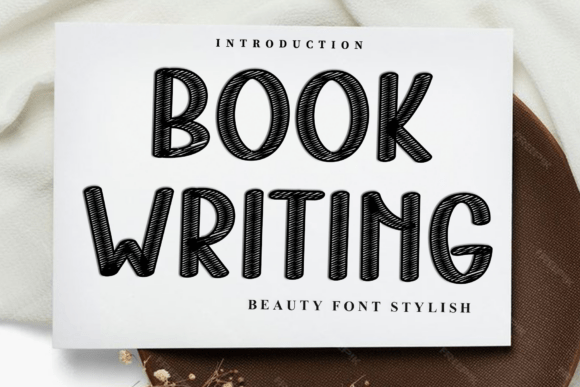
When you first encounter Book Writing, you notice immediately that it belongs to the category of Display Fonts designed to capture attention without shouting. Its visual character is defined by a soft, unique touch that distinguishes it from standard serif or script families. In editorial design, the header is often the first point of contact between the reader and the story. Using Book Writing for article titles or magazine covers allows the text to act as an illustration itself. The distinctive strokes give it a special character, making it meaningful and versatile for future use in branding contexts where personality is paramount.
I tested this font on a recent recipe ebook project. Traditional scripts can sometimes be difficult to read at large sizes if they are too thin or erratic, but Book Writing strikes a balance. It has enough weight and structure to remain legible as a headline while retaining the organic feel of hand-lettering. This makes it ideal for creating a consistent publication identity. When readers see those familiar, gentle curves in the title, they instantly recognize the brand’s tone: calm, curated, and thoughtful. For bloggers and independent publishers, establishing this kind of immediate visual trust is crucial for reducing bounce rates and encouraging deeper reading sessions.
Enhancing Mood Through Typography
Mood is not accidental in successful publishing; it is engineered through typographic choices. Book Writing brings a relaxed, approachable energy to any layout. Unlike harsh modern typography that can feel cold or corporate, this font invites the reader in. It works exceptionally well for niche audiences who value aesthetics and emotion, such as wedding guides, coaching workbooks, or printable planners. By using a creative font that feels personal, you transform a simple document into an experience. The font’s ability to convey warmth helps align the visual presentation with the content’s intent, whether that is guiding someone through a life transition or sharing a cherished family recipe.
Book Writing for Newsletter Graphics and Social Media
Digital newsletters and social media graphics require typography that stands out in crowded feeds. Static images need to communicate their message instantly. Here, the versatility of Book Writing shines. Because it is a display font, it excels in short bursts of text rather than long paragraphs. I used it extensively for newsletter headers and promotional banners for a digital course launch. The soft edges softened the hard sell of marketing copy, making the offer feel more like a recommendation from a friend.
The font’s design supports quick scanning. When users scroll through their inbox or feed, the unique shape of the letters acts as a visual anchor. However, it is important to remember that this is not a body copy font. Attempting to set dense paragraphs in Book Writing would hinder readability and frustrate the user. Instead, reserve it for pull quotes, section dividers, and call-to-action buttons. This strategic use ensures that the font’s expressive qualities enhance the content rather than competing with it. For creators selling digital downloads or templates, using Book Writing in preview images significantly increases click-through rates because the aesthetic signals quality and care.
Optimizing for Mobile Readability
With the majority of content consumed on mobile devices, font choice is critical. Small screens demand clear, bold shapes. Book Writing maintains its integrity even at smaller sizes when used for headlines. The contrast between its thick and thin strokes creates visual interest without sacrificing clarity. When designing responsive web layouts or email templates, ensure you provide sufficient line height and padding around the text. This breathing room complements the font’s airy, open structure, preventing the text from feeling cramped. A well-spaced header using this typeface looks elegant on both a desktop monitor and a smartphone, ensuring your brand identity remains consistent across all platforms.
Book Writing for Printable Guides and Workbook Layouts
The rise of the digital product economy has created a high demand for aesthetically pleasing, functional design assets. Printable planners, worksheets, and educational PDFs benefit greatly from a font that feels both professional and friendly. Book Writing offers a perfect middle ground. It is polished enough for business use but retains the human touch that generic fonts lack. I applied this font to a series of coaching worksheets, using it for the main instructions and key takeaways.
The result was a document that felt less like homework and more like a guided journal. Readers reported higher completion rates, which, while anecdotal, suggests that the right mood can influence user behavior. The font’s distinctive strokes add a layer of sophistication to otherwise mundane layouts. When designing these materials, consider using Book Writing for chapter titles and section headers, paired with a highly readable sans-serif font for the instructional text. This combination leverages the best of both worlds: the emotional appeal of a display font and the functional clarity of a utility font. It demonstrates a thoughtful approach to editorial design that respects the reader’s time and eyesight.
Practical Pairing Strategies
To maximize the impact of Book Writing, effective font pairing is essential. Since it is an expressive display font, it should not stand alone in a complex layout. I recommend pairing it with a clean, neutral serif font for body copy. The serifs provide stability and rhythm, allowing the eye to move smoothly through longer texts while the display font provides moments of visual delight. Alternatively, a minimalist sans-serif font works well for captions, navigation menus, and metadata. This hierarchy guides the reader’s attention logically through the content. Always test your pairings in black and white first to ensure contrast and legibility before adding color. This methodical approach ensures that your design decisions are driven by usability and aesthetics equally.
Technical Considerations and Licensing
Before integrating Book Writing into commercial projects, it is vital to review the technical specifications and licensing terms. Most premium fonts come with various weights, alternates, and ligatures that can enhance your design flexibility. Check if the package includes multilingual support if you plan to publish content for international audiences. File formats typically include OTF and TTF, which are compatible with most design software like Adobe InDesign, Illustrator, and Canva.
Licensing varies depending on your use case. If you are embedding the font in an interactive eBook or a website, you may need an extended license. For static PDFs, printables, and social media graphics, a standard commercial license is usually sufficient. Understanding these distinctions protects your intellectual property and ensures you are compliant with copyright laws. Investing in a high-quality, properly licensed font is an investment in your brand’s professionalism. It signals to your audience that you care about the details, reinforcing the trust and authority you build through your content.
Final Verdict on Book Writing Typeface
Book Writing is more than just a decorative element; it is a tool for shaping narrative tone. Its soft, unique touch makes it an excellent choice for editors, bloggers, and designers looking to infuse their work with warmth and personality. Whether you are redesigning a blog, creating a wedding guide, or structuring a digital magazine, this font provides the visual foundation for a compelling editorial experience. By using it strategically for headers, quotes, and branding, you can elevate your content from ordinary to extraordinary. For anyone seeking a display font that balances beauty with usability, Book Writing is a worthy addition to your design toolkit.