Silly: A Playful Display Font for Modern Designers
In the crowded world of typography, finding a typeface that balances whimsy with professional polish is a rare feat. Enter Silly, a versatile display font designed to inject personality into your projects without sacrificing readability. Whether you are looking for a Silly free download to kickstart a personal blog or need a robust solution for client work, this typeface offers a unique character that stands out in any medium. If you have been searching for a Silly font download that delivers immediate impact, you have arrived at the right place. This review explores why this free Display font for Fonts enthusiasts has become a favorite among creatives who want to add charm to their brand identity.
Design & Style Analysis
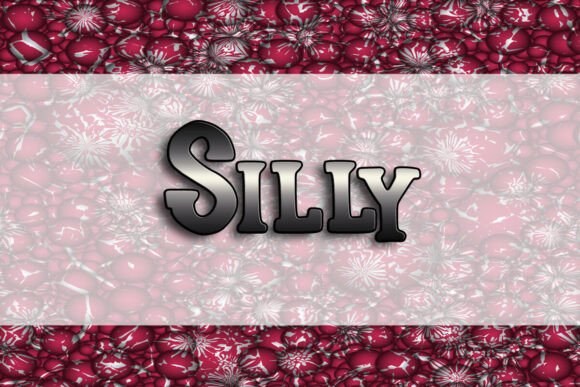
The visual personality of Silly is defined by its rounded letterforms and slightly irregular spacing, which gives it a hand-drawn, organic feel. Unlike rigid geometric sans-serifs, this premium Display font embraces imperfections that make text feel approachable and friendly. It is an excellent choice when you need to convey a sense of fun, creativity, or nostalgia.
Letterform Characteristics
The individual glyphs in Silly feature soft edges and varying stroke weights that mimic the flow of a marker or brush. This distinct style makes it one of the best Display fonts for use case scenarios involving children's products, lifestyle brands, or creative portfolios. The design avoids the sterile look of standard system fonts, offering instead a warm and inviting aesthetic that draws the eye immediately.
Weight and Spacing
While primarily available as a single weight, the generous internal spacing ensures that even dense blocks of text remain legible. When used correctly, Silly creates a rhythm in the layout that feels natural rather than forced. For designers seeking a professional Fonts font that doesn't scream "amateur," the careful attention to kerning in this typeface is a standout feature.
Best Uses for Silly
The versatility of this typeface allows it to transcend simple novelty uses. Here is how you can leverage its unique attributes across various design categories.
Silly for Logo Design
When creating a logo, the goal is often memorability. Silly for logo design provides a playful foundation that can be customized with icons or color to create a memorable mark. Its distinctive shapes ensure that the brand name sticks in the viewer's mind, making it ideal for startups or boutique businesses.
Silly for Branding
Consistency is key in branding, and Silly for branding offers a cohesive voice for social media assets, business cards, and packaging. The font's charm helps humanize a brand, making it appear more relatable to customers. It works exceptionally well for companies in the food, craft, or entertainment sectors.
Silly for Wedding Invitations and Cards
Wedding stationery often requires a touch of elegance mixed with personality. Silly for wedding invitations/cards/typography brings a modern twist to traditional ceremonies. It pairs beautifully with floral elements and script accents, creating an invitation suite that feels both special and stylish.
Silly for Posters, Social Media, and Packaging
For high-impact visuals, Silly for posters/social media/packaging is unmatched. Its bold presence grabs attention on crowded feeds and product shelves. Whether you are designing a festival poster or a snack wrapper, this font adds a layer of excitement that standard typefaces simply cannot match.
Font Pairing & Combinations
A great designer knows that a display font rarely works alone. To maximize the impact of Silly font pairing, you need complementary typefaces that ground the playfulness of the main header. When asking what fonts pair well with Silly, the answer usually lies in clean, neutral typefaces that provide contrast.
For a classic look, pair Silly with a sharp serif like Playfair Display. The juxtaposition of the rounded, whimsical headers against the elegant, structured body text creates a sophisticated balance. Alternatively, for a more modern, minimalist vibe, combine it with a geometric sans-serif such as Montserrat. This combination ensures that while the headlines are fun, the information remains easy to read. Exploring the best font combinations with Silly will reveal that simplicity is often the key to success.
Licensing & Commercial Use
Before integrating any typeface into a project, understanding the legal framework is crucial. Many designers ask, is Silly free for commercial use? The answer depends on the specific license granted by the creator or the platform from which you acquired it. Generally, Silly commercial use requires a clear understanding of whether the font is licensed for personal projects only or if it extends to client work and merchandise.
If you plan to use Silly for selling t-shirts, stickers, or digital products, you must secure the appropriate Silly font license. Some versions may offer a free tier for personal use but require a purchase for commercial rights. Always verify the terms before proceeding to avoid potential legal issues. For those needing broader rights, purchasing a font bundle or font pack that includes Silly is often a cost-effective solution.
How to Download & Use Silly
Getting started with this typeface is straightforward. You can find a Silly free download on reputable platforms like CreativeFabrica, DaFont, or FontSquirrel. Ensure you are downloading from a trusted source to guarantee file integrity. Once downloaded, the installation process is similar across most operating systems.
To integrate this tool into your workflow, you might wonder how to use Silly in Canva/Word/Photoshop. In Adobe Photoshop, simply double-click the installed .ttf or .otf file to activate it within the software. For web-based tools like Canva, you may need to upload the font file directly to your brand kit if you have a Pro account. Microsoft Word users can access the font immediately after installation via the font dropdown menu. These steps ensure you can utilize the download Silly font free option effectively across all your design environments.
Designer Notes & Tips
As a professional designer, I recommend testing your typography in black and white before adding color. This practice highlights any spacing issues or legibility problems that color might mask. Additionally, always check small-size readability; Silly shines in large formats but may lose detail when scaled down too much.
When considering alternatives, you might evaluate Silly vs similar font options like Fredoka One or Baloo 2. While those are excellent choices, Silly distinguishes itself through its specific curvature and weight distribution. Ultimately, the best tool is the one that fits your specific project needs. By following these tips and respecting the Silly font license, you can create stunning designs that stand out in the marketplace.