Gritty Distressed: A Rugged Display Typeface for Authentic Branding
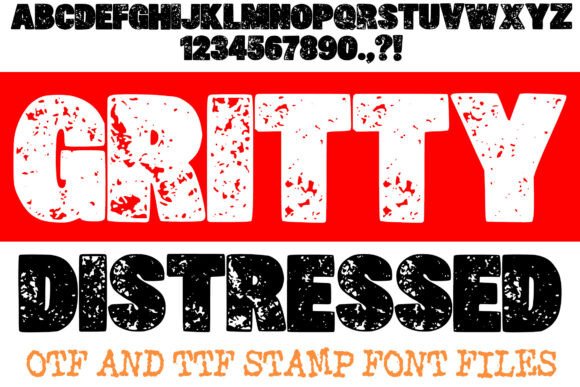
I opened a blank brand board on my screen, staring at the empty canvas where a new identity needed to take shape. The client wanted something that felt handmade, raw, and undeniably human—a departure from the polished, sterile look dominating their niche. I knew immediately that a clean sans serif wouldn't cut it. Instead, I reached for Gritty Distressed, a powerful and rugged typeface that captures the raw charm of old-school rubber stamps and imperfect print. As soon as I dragged the letters onto the design, the entire mood shifted. This isn't just another decorative font; it is a Display tool designed to infuse your designs with authentic, tactile character.
How Gritty Distressed Performs in Logo Design and Brand Identity
When you are building a brand identity, the headline font sets the emotional tone before a single word is read. Testing Gritty Distressed on a logo concept for a local coffee roaster revealed its true potential. Unlike standard Fonts that rely on perfect geometric precision, this typeface embraces the chaos of ink bleed and uneven pressure. It works exceptionally well as a primary logo design element because it suggests heritage and craftsmanship without feeling dated. The irregular edges create a sense of history, making it ideal for businesses that want to convey authenticity rather than corporate polish. However, I found that it requires careful kerning when used as a standalone logo; the "distressed" nature means that spacing needs to be slightly wider than usual to prevent the rough edges from clashing visually. For a boutique bakery or a craft beer label, this Display style transforms a simple name into a visual story about quality and process.
Gritty Distressed for Packaging Design and Product Labels
Moving from digital screens to physical mockups, the personality of Gritty Distressed truly shines on packaging. I placed the typeface on a product label for an artisanal skincare line, and the result was striking. The imperfect texture mimics the look of vintage stamping often seen on handcrafted goods, adding a layer of perceived value that smooth vector fonts cannot achieve. When designing packaging design assets, readability remains paramount, so I limited the use of this font to short phrases like "Handmade," "Organic," or the brand name itself. It acts as a perfect accent font to break up monotony on a box or bottle. If you are selling physical products, using Gritty Distressed helps signal to the customer that the item inside is unique and carefully curated. It bridges the gap between modern minimalism and rustic charm, making it a versatile choice for commercial font applications in retail environments.
Why Gritty Distressed Stands Out Among Modern Typography Systems
In a sea of generic display fonts, finding one that feels genuine is difficult. Gritty Distressed avoids the trap of looking like a low-resolution error; instead, it simulates the high-quality imperfection of analog printing. When I tested it against other options in a creative studio project, the difference was clear. While many distressed fonts look muddy or over-processed, this typeface maintains legibility while offering a rich, tactile surface. It is particularly effective for editorial design headers where you need to grab attention quickly. The font's ability to capture the raw charm of old-school rubber stamps makes it a standout asset for creative studios looking to inject personality into their own branding or client work. It proves that a premium font doesn't have to be flawless to be professional; sometimes, the flaws are exactly what make it memorable.
Gritty Distressed for Social Media Graphics and Web Design
Digital platforms demand immediate impact, and Gritty Distressed delivers that punch effectively in social media graphics and web headers. I used it for a series of Instagram posts promoting a handmade shop, and the textured look helped the content stand out in a feed filled with glossy, stock-photo imagery. In web design, however, caution is required. While it looks fantastic as a large hero text or a button label, it should not be used for body copy or navigation menus. The rough edges can cause rendering issues on smaller screens if the resolution is too low. For best results, pair this creative font with a clean, neutral serif font or a crisp sans serif font for supporting text. This contrast ensures that the message remains clear while the headline provides the stylistic flair. Whether you are designing a business card or a landing page, the font adds a layer of depth that flat colors simply cannot replicate.
Practical Considerations for Using Gritty Distressed in Client Projects
Before committing to Gritty Distressed for a final deliverable, it is crucial to test how it behaves across different mediums. I recommend creating a quick style guide to see how the font interacts with various color palettes and background textures. While it excels as a headline font or accent font, it is generally unsuitable for long-form body text due to its irregular shapes. Additionally, when working with clients who require strict accessibility standards, ensure that the contrast ratios remain high enough for readability. The font includes a range of styles that allow for customization, but always verify the included file formats and webfont availability if you plan to use it on a live site. Finally, remember to review the commercial font licensing terms carefully. Using this commercial font in client work, merchandise, or print-on-demand products requires the appropriate license to avoid legal complications. By understanding these limitations and strengths, designers can leverage Gritty Distressed to create impactful, authentic brand identities that resonate deeply with their audience.