Design Story Typeface: Elevate Your Holiday Brand Identity
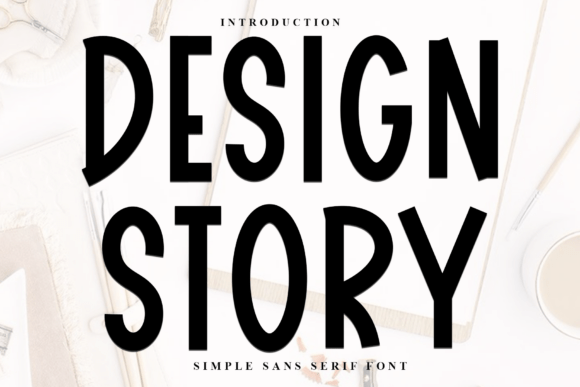
I remember staring at my laptop screen late one Tuesday night, the blue light reflecting off my coffee mug. I was trying to finalize the packaging for my new line of hand-poured soy candles. I had the wax, the wicks, and the scents perfect, but the labels felt... flat. They looked like every other generic sticker on Etsy. I needed something that screamed "warmth," "festivity," and "care," especially with the holiday season creeping up. That’s when I stumbled upon Design Story. It wasn’t just a font; it was the missing piece of my brand puzzle.
If you are a small business owner feeling that same gap between your product quality and your visual presentation, you know how hard it is to stand out. Typography is often overlooked, but it is the voice of your brand. When I switched to this festive and merry typeface, my entire aesthetic shifted. It captures the spirit of the holiday season with such ease, adding a touch of enchantment to designs that previously felt cold or corporate. Here is how making this simple switch transformed my business visuals from ordinary to unforgettable.
Why Design Story Is the Perfect Display Font for Seasonal Marketing
When we talk about Display Fonts, we aren’t talking about body text for long blog posts. We are talking about fonts that demand attention. Design Story falls squarely into this category, offering decorative elements and whimsical flair that instantly grab the eye. As a boutique owner, I learned quickly that customers make decisions in seconds. A cluttered or generic font says "cheap" or "rushed." In contrast, using Design Story signals that you have put thought into every detail.
This typeface is specifically crafted to be festive and merry. It doesn’t try to be serious or minimalist. Instead, it leans into the joy of the season. Whether you are creating social media graphics for a Christmas sale or designing a flyer for a winter market, this font sets the mood immediately. The whimsical nature of the letters adds personality without requiring complex graphic design skills. You don’t need to be a designer to make your brand look polished; you just need the right tools. By choosing a font that inherently carries emotional weight, you do half the marketing work for yourself. The decorative elements act as built-in graphics, reducing the need for extra clipart or heavy editing.
Using Design Story for Packaging and Product Labels
One of the biggest challenges for handmade sellers is packaging. Customers judge the value of a product by how it arrives at their door. I used to use basic Arial or Helvetica for my candle jars, which felt stark against the warm, amber glass. Switching to Design Story for my product labels changed everything. The font’s ability to capture the spirit of the holiday season made my products feel like gifts, even before they were unwrapped.
Imagine placing a beautifully wrapped box on a shelf. If the typography is crisp, festive, and engaging, it draws people in. Design Story works exceptionally well for short phrases, titles, and logo accents on packaging. However, readability is key. For smaller labels, such as those on skincare bottles or spice jars, I recommend using the cleaner weights of the font for the ingredient list, while reserving the more decorative styles for the brand name. This balance ensures that your product looks professional and trustworthy. Customers appreciate clarity. When your branding is consistent and easy to read, it builds confidence in your quality. Using Design Story helps create a cohesive look across different product lines, making your shop feel like a established brand rather than a hobbyist project.
Enhancing Social Media Graphics and Digital Ads
In the digital world, scroll speed is ruthless. On Instagram or Pinterest, you have less than a second to stop someone from scrolling past your post. This is where Design Story shines as a tool for engagement. Its festive and merry vibe stops the thumb mid-scroll. I started using this font for my seasonal sale announcements and holiday greeting cards shared on social media. The results were immediate—higher engagement rates because the visuals felt special and curated.
When creating digital ads or website banners, consistency is crucial. If your website uses a clean sans serif font for body text, pairing it with Design Story for headlines creates a beautiful contrast. This modern typography style allows your brand to feel both approachable and premium. For example, I created a banner for my online shop featuring a bold headline in Design Story against a soft pastel background. The whimsical flair of the letters popped against the simplicity of the layout, drawing the eye directly to the call-to-action button. This strategic use of display fonts guides the user’s journey, making your digital presence more intuitive and inviting. It turns passive viewers into active customers by making your content visually delightful.
Building a Memorable Brand Identity with Consistent Typography
A strong brand identity isn’t just about a logo; it’s about the repeated experience of seeing your visual language. Over time, I realized that my inconsistent fonts were diluting my brand message. Some materials looked playful, others looked serious. By committing to Design Story for all my festive and promotional materials, I created a recognizable signature. Now, when customers see that specific whimsical flair, they think of my brand first.
This consistency builds trust. In a crowded marketplace, being memorable is half the battle. Design Story helps achieve this by adding a unique character that competitors might not be using. It adds a touch of enchantment to your designs, making them feel bespoke and high-end. Whether you are printing thank-you cards included in shipments or designing menus for a cozy café, using the same typeface ties everything together. It shows customers that you care about the details. For entrepreneurs and marketers, this level of polish can justify higher price points because the perceived value of the product increases. Typography is a silent salesman, and Design Story speaks fluently in the language of joy and celebration.
Practical Tips for Pairing and Implementation
To get the most out of Design Story, consider how you pair it with other typefaces. Since it is a display font with heavy decorative elements, it pairs best with clean, understated fonts. I recommend combining it with a simple sans serif font for body text to ensure readability. This combination balances the whimsy of the headline with the professionalism of the information. Avoid pairing it with other script or handwritten fonts, as this can create visual clutter and reduce legibility.
Before implementing the font, always check the included styles and file formats. Most premium fonts offer multiple weights and alternates, allowing you to customize the look for different contexts. Ensure you have the correct commercial font licensing if you are using the typeface on merchandise, templates, or client work. Understanding the technical aspects, such as multilingual support and ligatures, will help you avoid frustration during the design process. By taking the time to understand the full capabilities of Design Story, you can unlock its potential to elevate your entire brand identity. It is an investment in your business’s visual future, paying dividends in customer recognition and sales.